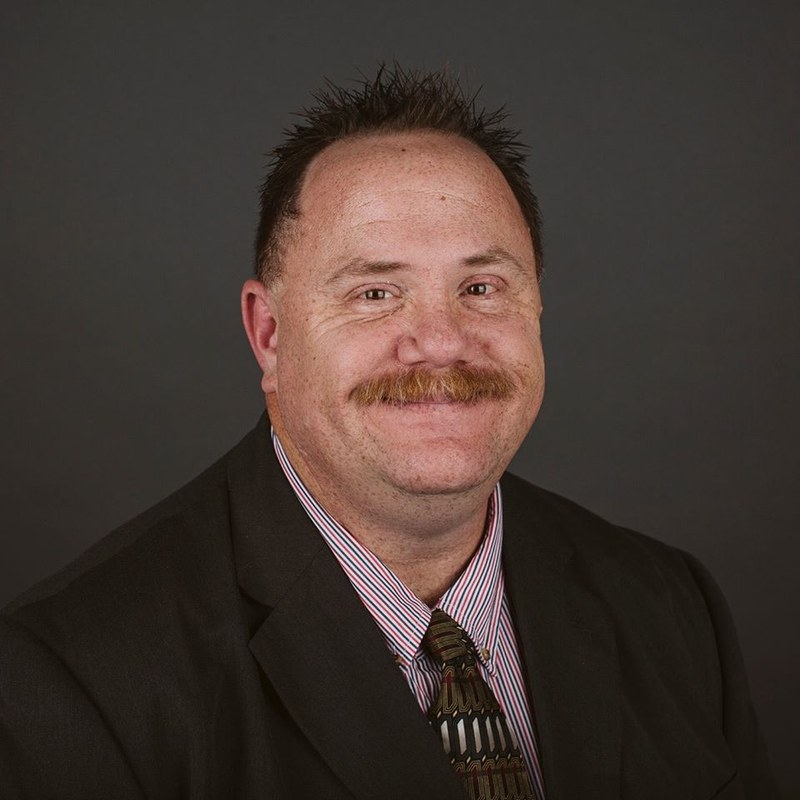
Carl Young is an American FASD self-advocate, parent and caregiver advocate, author, educator, and policy advocate whose journey into FASD advocacy began as the father of a child with FASD and later expanded in a deeply personal way when Young himself was diagnosed with FASD in 2024, at age 52. He brings to the Adult Leadership Cooperative a distinctive combination of living experience, family advocacy, systems knowledge, and extensive public-policy experience.
Young’s involvement with FASD began through his family’s efforts to obtain appropriate services and supports for an adopted son with FASD. Years spent navigating special education, behavioral health, developmental-disability services, residential treatment, and the justice system exposed how frequently people with FASD can encounter systems that interpret neurological and developmental differences as intentional behavior or noncompliance.
Those experiences moved Young from individual family advocacy into systems and policy work. He and his family helped establish FASD North Dakota in 2018, in part so other families would not have to navigate the same barriers alone. His advocacy subsequently expanded into disability policy, behavioral health, education, justice, family support, and state legislative work.
A major milestone came during the 2023 North Dakota Legislative Assembly, when Young led sustained advocacy to have FASD formally recognized within North Dakota’s developmental-disability law. He testified on the legislation, worked directly with lawmakers and committees, coordinated with families and other advocates, and made himself available throughout the legislative session to explain FASD and its implications for North Dakotans. State records from the period identify Young as a principal advocate providing updates on the FASD legislation, while FASD United documented more than 700 hours of collective advocacy surrounding the effort.
The resulting statutory change placed Fetal Alcohol Spectrum Disorder within North Dakota’s developmental-disability framework, creating a significant foundation for recognizing FASD within state disability policy. Young later referenced that change in legislative testimony, reminding lawmakers that the state had placed FASD in state code as a developmental disability and arguing that recognition must be followed by meaningful access to services.
Then, in 2024, at age 52, Young was himself diagnosed with FASD.
That diagnosis added an entirely different dimension to his advocacy. For decades, Young had approached FASD primarily from the perspective of a father and caregiver attempting to understand and support his son. His own diagnosis gave him a framework for reconsidering more than five decades of his own education, employment, relationships, health, strengths, struggles, adaptations, and experiences without knowing that prenatal alcohol exposure had affected his development.
Young therefore brings an unusual perspective to FASD self-advocacy: he understands both what it means to fight for a child whose disability is known and what it means to live most of a lifetime without knowing the disability is there at all. His late diagnosis informs his advocacy for adults who may have spent decades being misunderstood, misidentified, unsupported, or expected to meet demands without accommodations for neurological differences that had never been recognized.
His policy work has continued well beyond the 2023 legislative achievement. Young works across developmental disability, behavioral health, education, Medicaid and home- and community-based services, justice, and disability-rights policy. He has testified repeatedly before the North Dakota Legislature and participates in policy discussions concerning how state and federal decisions affect people with disabilities and their families. His experience translating living and family experience into statutory, regulatory, and systems-level discussions gives him a particularly expansive policy perspective within the Adult Leadership Cooperative of FASD Changemakers.
As co-founder of Embracing Neurodiversity, Young’s work has also broadened to the intersections among FASD, autism, ADHD, trauma, education, family support, research, professional training, and public policy.
A central theme of his advocacy is the distinction between “can’t” and “won’t.” When disability-related behavior is viewed only as defiance or noncompliance, systems can punish individuals for developmental differences. Young instead encourages families, professionals, policymakers, and systems to ask what neurological capacity, developmental expectations, environment, communication, and support may be contributing to what they see.
His advocacy journey has therefore progressed from parent and caregiver advocate, to systems advocate, to policy advocate, and finally to diagnosed adult self-advocate. He brings to the ALC both the perspective of a father who worked to change systems for his son and the perspective of a man who spent most of his own life navigating those systems without knowing that he, too, was living with FASD.